
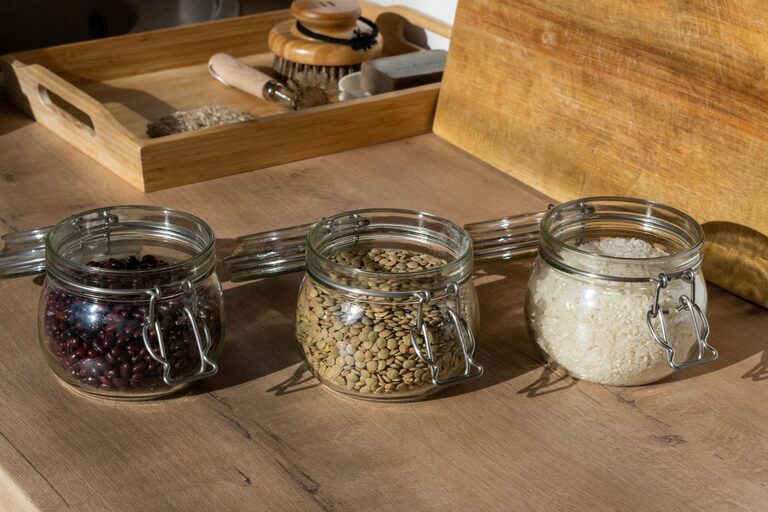
Planning meals from pantry staples is a practical way to make cooking easier, reduce food waste, and avoid last-minute trips to the grocery store. With a few basic ingredients and a simple planning method, you can create satisfying breakfasts, lunches, dinners, and snacks without needing a fully stocked refrigerator.
The key is to understand what you already have, choose flexible ingredients, and build meals around a few reliable combinations. Pantry cooking does not have to be repetitive. Small changes in seasonings, sauces, vegetables, and cooking methods can turn the same basic ingredients into several different meals.
Start With a Pantry Inventory
Before planning meals, take a quick look at your pantry, refrigerator, and freezer. Write down what you have and group items by type. This makes it easier to see which ingredients should be used soon and which ones can serve as meal foundations.
Useful categories include:
– Grains such as rice, pasta, oats, quinoa, and couscous
– Canned foods such as beans, tomatoes, corn, tuna, and vegetables
– Dried foods such as lentils, split peas, and dried beans
– Baking supplies such as flour, breadcrumbs, and baking powder
– Flavor boosters such as spices, broth, vinegar, soy sauce, and cooking oils
– Long-lasting produce such as onions, garlic, potatoes, carrots, and winter squash
– Freezer items such as frozen vegetables, fruit, bread, and cooked meat
While taking inventory, check expiration dates and place older items near the front. This simple step helps prevent forgotten ingredients from sitting unused.
Choose a Few Meal-Building Staples
Some pantry foods are especially useful because they can be used in many types of meals. These ingredients give you a strong starting point when planning.
Grains and Starches
Rice, pasta, oats, potatoes, tortillas, and couscous can form the base of many dishes. Rice can be served with beans, vegetables, eggs, or a simple sauce. Pasta works with canned tomatoes, beans, tuna, or frozen vegetables. Oats are useful for breakfast but can also be used in savory dishes such as oat patties.
Beans and Lentils
Canned and dried beans are filling, affordable, and versatile. Use them in soups, salads, tacos, grain bowls, chili, or mashed spreads. Lentils cook quickly and work well in soups, stews, curries, and simple vegetable dishes.
Canned Tomatoes
Canned tomatoes can become pasta sauce, soup, chili, shakshuka-style dishes, or a base for braised vegetables. Keep both diced and crushed tomatoes if possible. Crushed tomatoes create smooth sauces, while diced tomatoes add texture.
Broth and Seasonings
Broth adds flavor to grains, soups, and sauces. A well-organized collection of spices also helps you change the character of a meal. For example, the same beans and rice can be seasoned with chili powder and cumin for a southwestern-style dish or with curry powder, ginger, and garlic for a different flavor.
Use a Simple Meal Formula
Instead of searching for specific recipes, use a basic formula to create balanced meals:
Base + protein-rich ingredient + vegetables + sauce or seasoning
For example:
– Rice + black beans + corn and peppers + salsa
– Pasta + white beans + spinach + tomato sauce
– Potatoes + eggs + onions and peppers + hot sauce
– Couscous + chickpeas + carrots and peas + lemon dressing
This formula makes meal planning more flexible. You can replace ingredients based on what you have available. If you do not have rice, use pasta or potatoes. If you are out of beans, use eggs, canned fish, tofu, or another available protein-rich food.
Plan Meals by Ingredient, Not Just by Recipe
A useful approach is to select a few ingredients and use them in multiple meals during the week. This reduces waste and simplifies preparation.
For example, cook a pot of rice and use it for:
– A bean and vegetable bowl
– Fried rice with eggs and frozen vegetables
– A simple rice soup
– Stuffed peppers or tomatoes
You can also prepare a batch of beans or lentils and use them in tacos, salads, soup, and pasta sauce. When planning this way, the meals feel different even though they share some ingredients.
Try choosing two or three main pantry ingredients each week. Build several meals around them rather than buying a long list of items for separate recipes.
Create a Weekly Pantry Meal Plan
A pantry-based meal plan does not need to be complicated. Start by planning five main meals instead of every meal for the entire week. Leave room for leftovers and changes in your schedule.
A sample plan might include:
– Monday: Lentil soup with toast
– Tuesday: Rice bowls with beans, corn, and salsa
– Wednesday: Pasta with tomato sauce and vegetables
– Thursday: Leftover lentil soup with a baked potato
– Friday: Chickpea curry served over rice
For breakfast, keep a few dependable choices such as oatmeal with fruit, toast with nut butter, or eggs with potatoes. Lunch can often come from dinner leftovers, grain bowls, sandwiches, or simple soups.
Planning fewer meals also gives you flexibility. If you have extra leftovers or decide to eat out, you can move a meal to another day without wasting ingredients.
Add Fresh Items Strategically
Pantry staples are helpful, but a few fresh ingredients can improve flavor and texture. Choose produce that can be used in several meals and stores well.
Good options include:
– Onions and garlic
– Carrots and celery
– Cabbage
– Apples and oranges
– Lemons and limes
– Potatoes and sweet potatoes
– Fresh herbs when available
Frozen vegetables are also useful. They require little preparation and can be added to soups, pasta, rice dishes, and stir-fries. When shopping, focus on small additions that complete several meals rather than buying ingredients for only one recipe.
Use Sauces and Seasonings for Variety
The same ingredients can taste completely different with a new sauce or seasoning blend. Keep a few flavor combinations in mind:
– Italian style: tomatoes, garlic, oregano, basil, and pasta
– Southwestern style: beans, corn, chili powder, cumin, and rice
– Mediterranean style: chickpeas, lemon, garlic, herbs, and couscous
– Asian-inspired style: soy sauce, ginger, garlic, rice, and vegetables
– Comfort food style: potatoes, broth, onions, and black pepper
Simple additions such as vinegar, mustard, hot sauce, salsa, or peanut butter can also transform a basic meal. Taste as you cook and adjust salt, acidity, spice, and richness gradually.
Cook in Batches
Batch cooking can save time without requiring you to prepare every meal in advance. Cook one or two basic ingredients at a time, such as rice, beans, roasted vegetables, or a pot of soup.
Store cooked foods in shallow containers and label them with the date. Keep portions that you plan to use soon in the refrigerator and freeze extras when appropriate. Before storing food, allow it to cool briefly, but avoid leaving it at room temperature for an extended period.
You can also prepare components instead of complete meals. A container of cooked rice, a pot of beans, and chopped vegetables can be combined in different ways throughout the week.
Make a Backup Meal List
Even the best plan may change. Keep a list of quick meals you can make when you are tired or short on time.
Helpful backup meals include:
– Pasta with canned tomatoes and beans
– Rice with scrambled eggs and frozen vegetables
– Bean quesadillas with salsa
– Lentil soup with toast
– Oatmeal with fruit and nuts
– Baked potatoes with canned beans or tuna
Having these options ready reduces the temptation to overbuy groceries or order food when your schedule becomes busy.
Review Your Plan Each Week
At the end of the week, take a few minutes to note what worked. Did you use the ingredients you bought? Were any meals too complicated? Which pantry foods were especially useful?
Use these observations to improve your next plan. Over time, you will build a personal list of dependable meals and learn which staples your household uses most often.
Meal planning from pantry staples is less about following strict rules and more about creating a reliable system. By tracking what you have, choosing flexible ingredients, and combining them with simple seasonings, you can make everyday cooking more affordable, organized, and enjoyable.