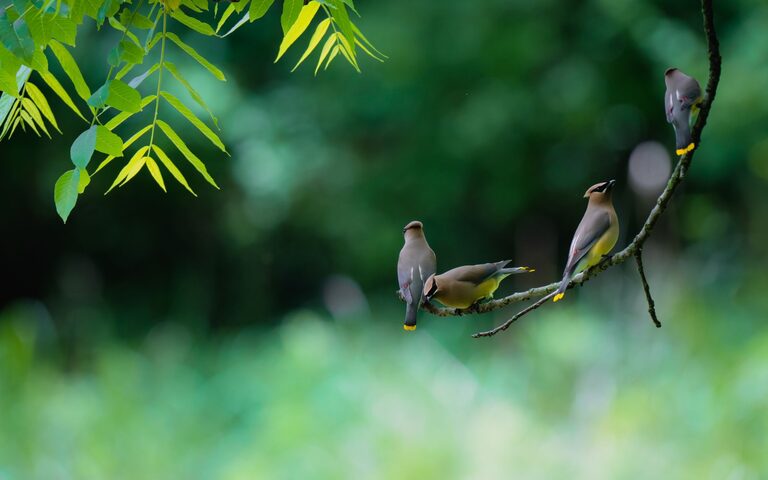
Backyard birdwatching is an easy, relaxing hobby that can be enjoyed almost anywhere. You do not need expensive equipment, a large yard, or expert knowledge to get started. With a few basic supplies and a little patience, you can begin noticing the birds that visit your outdoor space.
Birdwatching, also called birding, combines observation, listening, and learning. Every season brings new visitors, and even familiar birds may display different behaviors throughout the year. Use these beginner tips to create a welcoming space and make your first birdwatching experiences more rewarding.
Start With Simple Equipment
You can begin birdwatching with nothing more than your eyes and ears. However, a few basic tools can make it easier to see details and identify unfamiliar species.
Choose a Pair of Binoculars
Binoculars help you view birds without getting too close or disturbing them. For backyard use, binoculars with 7x or 8x magnification are often a comfortable choice. They are powerful enough for clear views while remaining relatively easy to hold steady.
When choosing binoculars, look for:
– A comfortable grip
– Clear, bright images
– A focus wheel that turns smoothly
– A size and weight you can use comfortably
You do not need to buy the most expensive pair. A reliable beginner model is usually enough.
Keep a Bird Guide Nearby
A printed field guide can help you compare bird shapes, colors, and markings. You can also use a bird identification app on your phone. Choose a resource that covers birds in your region, since local species vary widely.
A notebook is useful, too. Record the date, location, weather, and birds you see. Over time, your notes will show seasonal patterns and help you remember special sightings.
Make Your Yard Bird-Friendly
Birds need food, water, shelter, and safe places to raise their young. You can support these needs by adding a few simple features to your yard, patio, or balcony.
Offer Fresh Water
A clean water source can attract birds that may not visit feeders. A shallow birdbath is a good starting point. Place it where birds have a clear view of the surrounding area, but keep it close enough to shrubs or trees for quick shelter.
Change the water regularly and clean the basin often. Fresh water helps keep the area more inviting and reduces the buildup of dirt and algae. In colder weather, check the basin frequently and remove ice when possible.
Add Native Plants
Native plants provide natural food and shelter for local birds. Many produce seeds, berries, nectar, or insects that birds rely on throughout the year. They can also give birds places to hide from predators and rest between feeding trips.
Consider adding a mix of:
– Berry-producing shrubs
– Seed-bearing flowers
– Small trees
– Dense evergreen plants
– Native grasses
Choose plants suited to your local climate and available space. Even a few containers on a balcony can provide useful cover and food.
Use Bird Feeders Carefully
Feeders can bring birds closer for observation, but they require regular care. Different feeder styles attract different birds.
Tube feeders often work well for small seed-eating birds. Platform feeders can attract larger birds, while suet feeders may appeal to birds that enjoy high-energy foods. Hummingbird feeders use a sugar-water solution and should be cleaned often.
Place feeders near natural cover, such as shrubs or trees, but not so close that birds can be easily reached by cats. A distance of several feet from cover can give birds a quick escape route while allowing you to see them clearly.
Keep Feeders Clean
Dirty feeders can become unpleasant and may discourage birds from visiting. Clean feeders regularly, especially during warm or wet weather. Remove old, wet, or moldy food and refill feeders with fresh supplies.
Use the type of seed that matches the birds in your area. Black oil sunflower seeds are popular with many backyard species, while millet and cracked corn may attract other birds. Avoid offering kitchen scraps, salty foods, or heavily processed items.
Create a Comfortable Viewing Spot
Birds are more likely to behave naturally when you observe quietly from a distance. Choose a window, porch chair, or sheltered outdoor location where you can sit comfortably.
Keep movements slow and avoid sudden sounds. If you are watching from indoors, turn off lights near the window to reduce reflections. A small curtain gap or a window with a clear view can serve as an excellent observation point.
Morning is often a productive time for birdwatching because many birds are active while searching for food. Late afternoon can also be rewarding, especially when birds return to feeding or resting areas. Try observing at different times to learn when your yard is busiest.
Learn to Identify Birds
Identification becomes easier when you focus on several features instead of color alone. Many birds share similar colors, but their shapes, movements, and calls can be distinctive.
Pay attention to:
– Size compared with familiar birds
– Body shape and posture
– Beak size and shape
– Wing patterns
– Tail length and movement
– Colors and markings
– Habitat and behavior
– Songs and calls
Start by identifying common birds before moving on to more challenging species. Learning a few birds well will help you recognize patterns and notice differences among similar visitors.
Avoid guessing based on one feature. For example, a bird’s color may look different in bright sunlight or shade. Take notes or photographs when possible, then compare several details with a field guide.
Practice Patient Observation
Birdwatching rewards patience. Birds may disappear behind leaves, remain still, or take time to approach a feeder. Instead of trying to see as many species as possible, spend a few minutes watching one area carefully.
Use a quiet routine:
- Find a comfortable viewing spot.
- Observe the area before moving.
- Listen for calls and movement.
- Watch branches, shrubs, and ground areas.
- Write down what you notice.
- Check an identification guide afterward.
Try not to chase birds from place to place. Staying still often allows more birds to appear, and it gives you a better chance to observe natural behavior.
Keep Birds Safe
A bird-friendly space should also be a safe space. Place feeders where birds have room to approach and leave. Keep cats indoors or supervise them outdoors, since free-roaming cats can pose a serious risk to birds.
Window collisions are another common danger. If birds frequently strike a window, add decals, screens, or other visible patterns to the outside of the glass. Move feeders either very close to the window or farther away, depending on your setup, and use window treatments that reduce reflections.
Avoid using pesticides when possible. Many birds eat insects, and chemical treatments can affect the food sources and habitat they depend on.
Enjoy the Learning Process
You do not need to identify every bird or maintain a perfect list. The goal is to notice more of the natural world around you. A common sparrow, robin, or chickadee can be just as interesting as a rare visitor when you take time to observe its behavior.
Set small goals, such as learning three new species each month or keeping a weekly yard checklist. Invite children or friends to join you, and encourage everyone to share observations rather than compete over sightings.
With simple equipment, a welcoming yard, and regular practice, backyard birdwatching can become a peaceful daily habit. Start where you are, watch carefully, and let your curiosity guide you.