
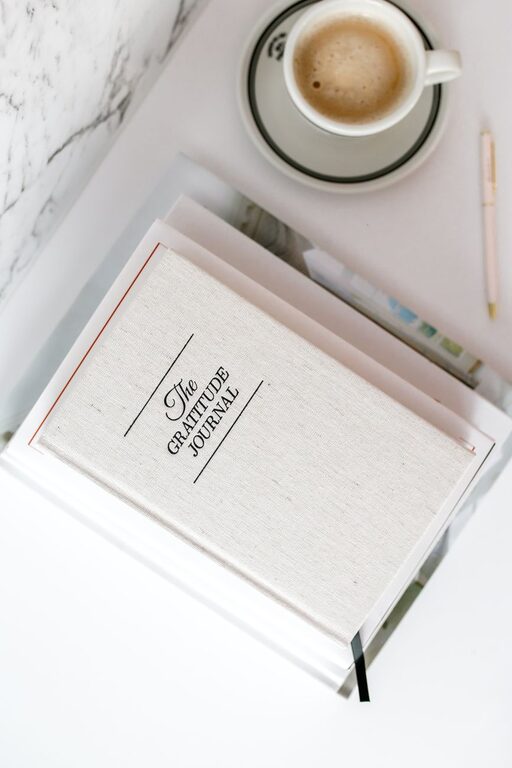
Keeping a gratitude journal is a simple way to pause, notice meaningful moments, and reflect on what you value. It does not require special supplies, long writing sessions, or perfect consistency. A few honest lines can be enough.
The most important part is choosing an approach that feels comfortable and realistic. Your journal should support your routine rather than become another task to manage. Whether you write in a notebook, use a notes app, or create a private document, the goal is to make regular reflection easy.
What Is a Gratitude Journal?
A gratitude journal is a place where you record things you appreciate, value, or want to remember. These entries may focus on big events, such as reaching an important goal, or small details, such as a warm drink, a helpful conversation, or a quiet morning.
Gratitude journaling can also include reflections on people, experiences, personal qualities, and everyday comforts. There is no single correct format. Some people write a few words, while others prefer several sentences about why a particular moment mattered.
The practice is not about pretending that every day is perfect. You can acknowledge difficult feelings while still noticing something positive, useful, beautiful, or meaningful.
Choose Your Journaling Method
Before you begin, decide where you will write. The best option is the one you are most likely to use.
Paper notebook
A notebook offers a simple, distraction-free experience. Choose one that feels pleasant to use, but do not worry about finding the perfect journal. A basic notebook works well.
You can keep it:
– Beside your bed
– On your desk
– Near your favorite chair
– In a bag you carry regularly
Digital journal
A phone, tablet, or computer can make journaling convenient. You can create a note, use a journaling app, or keep a private document. Digital entries are easy to search, which can be helpful when you want to review past reflections.
If you use a device, consider turning off notifications for a few minutes so you can write without interruptions.
Voice notes
If writing feels difficult, try recording a short voice memo. Describe what you appreciate and why it stood out. You can keep the recording private or transcribe it later if you want a written record.
Start With a Small Commitment
Many people stop journaling because they begin with an overly ambitious plan. Writing several pages every day may sound motivating at first, but it can become difficult to maintain.
Instead, begin with a small commitment, such as:
– Writing down one thing each day
– Spending two to five minutes journaling
– Writing three times a week
– Adding an entry after a regular activity
A small routine is easier to repeat. Once journaling becomes familiar, you can decide whether you want to write more often or in greater detail.
Consistency matters more than length. A short entry that you actually write is more useful than a long plan that feels difficult to follow.
Choose a Convenient Time
Attach your gratitude practice to something you already do. This creates a natural reminder and reduces the need to rely on motivation.
You might write:
– After brushing your teeth
– With your morning coffee
– During a lunch break
– Before turning off the light at night
– After returning home from work or school
Morning journaling can help you begin the day with a thoughtful pause. Evening journaling can give you a chance to review the day. Try both options and choose the time that feels most natural.
It is also fine to journal at different times on different days. A flexible routine is often easier to maintain than a strict schedule.
Use Simple Prompts
When you are unsure what to write, a prompt can help you get started. You do not need to answer every question. Choose one that feels relevant to your day.
Try these prompts:
– What is one small thing that made today better?
– Who helped, encouraged, or inspired me recently?
– What place do I enjoy spending time in?
– What is something my body helped me do today?
– What ordinary comfort did I appreciate?
– What skill or quality am I glad to have?
– What problem became easier because of someone’s effort?
– What is something I am looking forward to?
– What did I notice today that I might usually overlook?
– What recent memory makes me smile?
Prompts are useful when your entries begin to feel repetitive. They can guide your attention toward people, experiences, surroundings, and personal strengths.
Add Details to Make Entries Meaningful
A list of items can be a good starting point, but adding a little detail can make your reflection more memorable. After writing what you appreciate, explain why it matters.
For example:
– “I am grateful for my friend” is a clear beginning.
– “I am grateful for my friend because they listened patiently when I needed to talk” adds context.
You can use this simple structure:
- Name what you appreciate.
- Describe what happened.
- Explain why it mattered to you.
An entry might look like this:
“I appreciated the quiet walk after dinner. The fresh air and slower pace helped me notice how peaceful the neighborhood felt.”
You do not need to make your writing sound polished. Honest and specific words are enough.
Include Small, Everyday Moments
Gratitude does not have to focus on rare or dramatic events. Everyday details often provide the easiest material for a journal.
You might write about:
– A comfortable chair
– A favorite song
– Clean sheets
– A good meal
– Sunlight through a window
– A productive hour
– A kind message
– A task you completed
– Time spent outdoors
– A moment of laughter
Looking for small details can make journaling more approachable. It also prevents you from feeling as though every entry needs to describe an extraordinary experience.
Be Honest About Difficult Days
A gratitude journal should not require you to ignore stress, disappointment, or frustration. Some days may feel difficult, and forcing cheerful statements can make journaling feel unnatural.
Instead, try writing honestly and then looking for one steady or supportive detail. For example:
“Today was tiring, and I felt distracted during most of the afternoon. I am grateful that I had a quiet place to rest afterward.”
You can also write about what you learned, what helped you manage the day, or what you hope will be different tomorrow. This keeps your journal realistic while still making room for appreciation.
Avoid Common Journaling Pitfalls
A few simple guidelines can help you keep the practice enjoyable.
Do not compare your journal to someone else’s
Some people write pages, decorate their notebooks, or use detailed prompts. Others write one sentence. Both approaches are valid. Choose a style that fits your time and personality.
Do not treat missed days as failure
You may forget, become busy, or take a break. Simply begin again when you are ready. There is no need to explain the gap or start over with a new journal.
Do not search for perfect wording
Your journal is for personal reflection, not publication. Spelling, grammar, and neat handwriting do not matter unless they matter to you.
Do not force the same answer every day
If a prompt no longer feels useful, change it. You can write about a different part of your life or take a break from prompts altogether.
Review Your Entries Occasionally
After a few weeks or months, revisit some of your entries. You may notice patterns in the people, places, activities, and experiences you value.
A review can help you identify:
– Activities that consistently lift your mood
– Relationships you want to nurture
– Routines that help you feel grounded
– Small comforts you often overlook
– Personal qualities you appreciate in yourself
You can review entries at the end of each month or whenever you need a thoughtful reminder of meaningful moments. Keep the process simple and private if that feels most comfortable.
Create a Routine That Lasts
To make gratitude journaling a lasting habit, keep it convenient and enjoyable. Store your notebook where you will see it, use a writing tool you like, and set a gentle reminder if needed.
Most importantly, let the practice change over time. You may prefer short lists during busy weeks and longer reflections when you have more space. You may switch from paper to digital writing or use prompts only occasionally.
Start today with one sentence: “Something I appreciate right now is…” Then add a reason if you want. A gratitude journal does not need to be complicated. With a small, honest, and flexible approach, it can become a useful way to notice the moments that matter to you.