
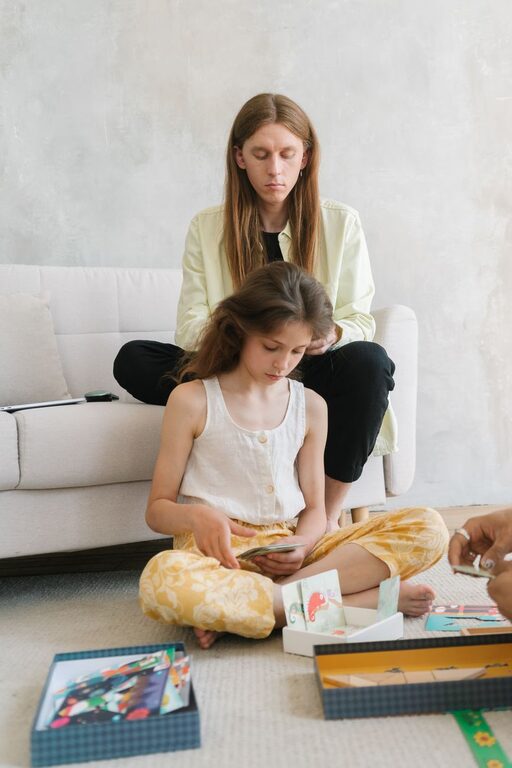
A family game night is an easy way to spend quality time together without leaving home. You do not need expensive equipment, a large space, or complicated plans. With a few games, simple snacks, and a relaxed attitude, your family can enjoy an evening filled with laughter and friendly competition.
The best game nights are flexible. Younger children may need shorter rounds, while older kids and adults may enjoy strategy games or longer challenges. The goal is not to find one perfect activity for everyone, but to create a mix of games that gives each person a chance to participate.
1. Choose a Game Night Theme
A theme can make an ordinary game night feel like a special event. Ask family members to help choose the theme so everyone feels involved.
Try one of these ideas:
– Classic game night: Play familiar board games and card games.
– Puzzle night: Work on jigsaw puzzles, riddles, and logic challenges.
– Team night: Divide into teams and play games that encourage cooperation.
– Around the world: Choose games, snacks, or music inspired by different countries.
– Game show night: Create rounds based on trivia, guessing, or quick challenges.
– Pajama night: Wear comfortable pajamas and keep the evening casual.
– Tournament night: Award points across several games and name an overall winner.
A theme does not need to be elaborate. Even a sign on the table or a special snack can help set the mood.
2. Start With Quick and Easy Games
Short games are a good way to get everyone involved at the beginning of the evening. They require little setup and help family members settle into the activity.
Consider these options:
Charades
Write simple actions, animals, movies, or household objects on slips of paper. Players take turns acting out a word without speaking while others guess. For younger children, use pictures instead of written clues.
Guess the Sound
One person makes a sound behind a book or pillow, and everyone else tries to identify it. Try sounds such as clapping, tapping a spoon, opening a zipper, or shaking coins in a cup.
I Spy
Choose something visible in the room and give a clue, such as “I spy something blue.” Players take turns guessing until someone finds the object.
Categories
Pick a category, such as fruits, animals, or movie titles. Go around the room, with each person naming a different item. A player is out for the round if they repeat an answer or cannot think of one within a chosen time.
3. Bring Out the Board Games
Board games offer many ways to match different ages and interests. Keep a selection available so the family can choose together.
For younger players, look for games with:
– Simple rules
– Short playing times
– Colorful pieces
– Matching or counting activities
– Minimal reading
Older children and adults may enjoy games that include:
– Strategy and planning
– Wordplay
– Memory
– Team decisions
– Trading or resource management
Before starting, read the rules aloud and explain the goal in clear language. If a game seems too difficult, simplify the rules for the first round. Learning together is part of the fun, and a practice round can help everyone feel comfortable.
4. Try Card Games for All Ages
Card games are affordable, portable, and easy to adapt. A standard deck can support many different activities.
Younger children can play simple matching games, memory games, or games that involve sorting cards by color or number. Older children may enjoy classic games that involve sequencing, collecting sets, or following special instructions.
You can also create a family card challenge. Give each player a small group of cards and ask them to build the tallest structure, arrange the cards in a pattern, or invent a new game. This adds a creative element and lets children practice explaining rules.
5. Plan a Family Trivia Contest
Trivia works well when questions are based on topics that everyone knows. Instead of focusing only on facts, include questions about family memories, favorite foods, pets, hobbies, and everyday routines.
Sample questions might include:
– Who is most likely to wake up first?
– What is the family’s favorite weekend breakfast?
– Which room has the most books?
– What was the first movie we watched together this month?
– Who can name three animals that live in water?
Divide into teams if some players are much younger than others. You can also allow each team to ask for one hint per round. The focus should be on sharing laughs and learning fun details, not on making anyone feel left out.
6. Add Creative Challenges
Creative games give everyone a chance to participate, including people who may not enjoy traditional competition.
Try a timed drawing challenge. Give players a topic, such as “a dream treehouse,” “a funny robot,” or “a vacation on the moon.” After five minutes, each person shows their drawing and explains it.
Another option is a building challenge. Use blocks, paper cups, craft sticks, or recycled boxes. Set a goal, such as building the tallest tower or creating a bridge that holds a small toy. Players can work individually or in teams.
For a storytelling game, one person begins with a sentence. Each family member adds another sentence until the group creates a funny story. Use random objects from around the house as story prompts.
7. Create a Friendly Tournament
A tournament can add structure to the evening, but keep the scoring simple. Choose three or four games and award points for participation, teamwork, or winning a round.
You might use a chart like this:
– First place: 3 points
– Second place: 2 points
– Participation: 1 point
Consider including special awards such as:
– Best teammate
– Most creative idea
– Funniest moment
– Best sportsmanship
– Most surprising answer
These awards make the evening more enjoyable for players who may not win the most games.
8. Set Up Snacks and Drinks
Easy snacks help keep everyone comfortable without interrupting the games. Choose foods that are simple to serve and not too messy.
Good choices include:
– Popcorn
– Fruit slices
– Crackers and cheese
– Pretzels
– Vegetable sticks
– Sandwich pieces
– Cookies or homemade treats
Use small bowls or individual plates to keep food away from game pieces. Set drinks on a separate table if possible, and keep napkins nearby. A build-your-own snack station can also be fun, with toppings for popcorn, toast, or fruit.
9. Make the Evening Comfortable for Everyone
A successful game night should feel welcoming rather than stressful. Set a reasonable start and end time, especially if younger children are participating. Offer short breaks between games so people can stretch, get a drink, or choose the next activity.
Keep these simple guidelines in mind:
– Explain rules before the game begins.
– Let players ask questions.
– Avoid changing rules in the middle of a round.
– Celebrate good teamwork and creative ideas.
– Give children opportunities to lead.
– Take a break if the group becomes frustrated.
– Be willing to switch games if one is not working.
It is also helpful to choose a place for phones and other devices during the games. Some families may prefer a complete device-free evening, while others may use a phone for a timer, music, or looking up a question.
10. End With a Special Tradition
A small tradition can make family game night something everyone looks forward to. End the evening by voting for the favorite game, taking a group photo, or sharing one memorable moment.
You could also keep a family game night notebook. Record the games you played, the winners, funny comments, and ideas for the next gathering. Over time, the notebook becomes a collection of shared memories.
Most importantly, remember that the value of game night comes from spending time together. Whether your family enjoys a large tournament or a quick round of charades, a relaxed atmosphere and a little creativity can turn an ordinary evening at home into a tradition everyone enjoys.