Cleaning up after dinner does not have to feel like a second meal. With a few simple habits, you can reduce the number of dishes, keep messes under control, and finish the kitchen more quickly. The key is to make cleanup part of the cooking process instead of leaving everything until the end.
Start With a Quick Plan
A little planning can prevent a large pile of dishes later.
Before cooking, look at the recipe and decide which tools you truly need. If one cutting board can handle all the vegetables, there may be no reason to use a second one. The same applies to mixing bowls, measuring cups, and serving dishes.
Try these simple steps:
– Read the recipe before starting.
– Set out only the tools and ingredients you need.
– Choose one bowl for ingredients that will be added together.
– Keep a small container nearby for food scraps.
– Check whether a cooking dish can also be used for serving.
Planning also helps you avoid searching through cabinets while cooking, which can lead to extra dishes and a more cluttered workspace.
Clean While You Cook
One of the easiest ways to shorten cleanup is to wash items during cooking pauses. While water boils, food simmers, or something bakes, use those few minutes to handle small tasks.
You do not need to clean the entire kitchen while preparing dinner. Focus on the items you are finished using, such as:
– Measuring spoons and cups
– Empty ingredient containers
– Cutting boards
– Mixing bowls
– Kitchen tools
– Small appliances
If a dish is still warm, wipe away food before it dries. Soaking a pan or bowl right after use can also make washing much easier. Keep a sink or basin filled with warm, soapy water for utensils that need to wait.
A useful rule is to leave the cooking area in better shape than you found it. Even a few minutes of tidying can make the final cleanup feel much more manageable.
Use Fewer Dishes
Many meals can be prepared with fewer dishes without affecting the result. Look for ways to combine steps or use the same container more than once.
For example, you might:
– Mix a sauce in the bowl where you prepared the vegetables.
– Measure dry ingredients into one bowl before adding wet ingredients.
– Cook a complete meal on one sheet pan.
– Serve food directly from the pot or baking dish.
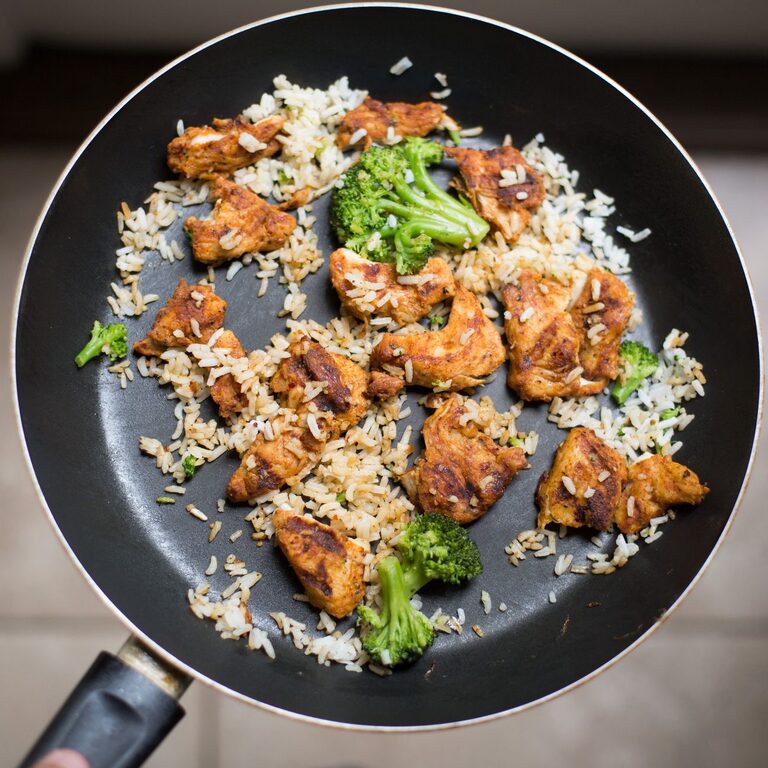
– Use a large skillet for both cooking and serving.
– Line a baking sheet with parchment paper when appropriate.
Be careful not to overcrowd cookware. Using one pan is helpful only if the food still cooks properly. A slightly larger pan can sometimes allow you to combine ingredients while keeping them evenly cooked.
Choose One Pan Meals
One pan meals are especially helpful on busy evenings. Sheet pan dinners, skillet meals, and baked casseroles can reduce both cooking time and dishwashing.
When choosing a one pan meal, look for ingredients with similar cooking times. You can also add ingredients in stages. For example, start with vegetables that take longer to soften, then add quicker-cooking ingredients later.
A few easy ideas include:
– Roasted vegetables with a main dish on one sheet pan
– Skillet rice with vegetables
– Baked pasta in one casserole dish
– Stir fry prepared in one large pan
– Potato and vegetable hash
– Soup or stew cooked in one pot
Place a heat-safe mat or serving board on the table so the pan can go directly from the oven or stove to the table when appropriate. Always use suitable protection for hot cookware.
Keep the Sink and Counters Clear
A clear workspace makes cleanup faster and helps the kitchen feel calmer. As you cook, return ingredients to the refrigerator or pantry as soon as you finish using them. Flatten empty boxes and place them in the recycling area right away.
You can also create a temporary holding spot for items that do not belong in the kitchen. A small basket or tray can collect mail, toys, or other objects found on the counter. Once dinner is finished, move the basket elsewhere instead of sorting every item immediately.
Try to keep one side of the sink available for washing. If both sides are filled with dishes, even a small task can become difficult. Empty the dishwasher before cooking if it is clean, so dishes can go directly inside instead of sitting on the counter.
Make Soaking Work for You
Soaking can save time, especially with sticky or baked-on food. Fill cookware with warm water as soon as it is safe to do so. Add a small amount of dish soap if needed, and let the dish sit while you eat.
For especially stubborn spots, use a utensil or scraper designed for the cookware surface. Avoid tools that may scratch the finish. The right method depends on the material, so follow the care instructions for nonstick, cast iron, glass, or other cookware.
Do not leave food sitting in water for too long if the manufacturer advises against it. Some materials need to be dried promptly or cleaned in a specific way.
Organize Cleanup Supplies
Cleaning is easier when supplies are close at hand. Store dish soap, sponges, brushes, towels, and surface cleaner in one convenient area. Keep extra supplies nearby, but avoid overcrowding the counter.
It can help to assign each tool a purpose:
– A soft sponge for everyday dishes
– A brush for bottles and narrow containers
– A scraper for stuck-on food
– A microfiber cloth for counters
– A separate cloth for drying hands
Replace worn or unpleasant-smelling sponges and cloths regularly. Clean tools work better and are more pleasant to use.
Divide the Work
If more than one person is available, cleanup does not need to fall on one person. Give each task a clear purpose so everyone knows what to do.
One person might load the dishwasher, while another wipes counters and the table. Someone else can put away leftovers or sweep the floor. Children can help with age-appropriate jobs, such as carrying napkins to the laundry area or placing unbreakable items in a safe spot.
Rotating responsibilities can keep the routine fair. A short, shared cleanup often feels easier than one person handling every task alone.
Create a Ten Minute Routine
A short routine can prevent cleanup from stretching into the rest of the evening. Set a timer for ten minutes and focus on the most important tasks:
- Put away or store leftover food.
- Load the dishwasher or wash the largest items.
- Soak cookware that needs extra attention.
- Wipe the table and counters.
- Sweep visible crumbs from the floor.
- Return frequently used items to their places.
The kitchen does not need to look perfect every night. The goal is to make tomorrow’s cooking easier and prevent small messes from becoming larger ones.
Store Leftovers Efficiently
Leftover food can create extra dishes when it is transferred several times. Use containers that are easy to stack and clearly labeled. If possible, choose containers that can go from the refrigerator to the table or microwave, following the care instructions.
Let hot food cool as recommended before storing it, and keep containers organized so older leftovers are easy to see and use first. A tidy refrigerator reduces waste and makes the next meal easier to plan.
Make Cleanup Part of Dinner
The best cleanup routine is one that fits naturally into the meal. Keep the process simple, use fewer tools, clean during cooking pauses, and share the final tasks. These small habits can turn dinner cleanup from a long chore into a short, predictable part of the evening.