A bedroom refresh does not require a complete renovation or a large shopping trip. Small changes can make the space feel cleaner, more comfortable, and more personal. By focusing on high-impact updates and using what you already own, you can create a welcoming room while keeping costs under control.
Start With a Simple Plan
Before buying anything, take a close look at your bedroom. Consider what feels outdated, cluttered, or uncomfortable. A clear plan helps you avoid impulse purchases and ensures that every change supports the look and function you want.
Ask yourself:
– What do I like about the room already?
– Which items no longer fit my style?
– Does the room need more storage?
– Is the lighting too harsh or too dim?
– Which changes would make the biggest difference?
Choose one or two main goals, such as creating a calmer color palette, improving storage, or making the bed more inviting. You can then work through the room in stages instead of trying to change everything at once.
Declutter Before You Decorate
One of the least expensive ways to refresh a bedroom is to remove items you no longer use. Clutter can make even a nicely decorated room feel busy and uncomfortable.
Start with visible surfaces, including:
– Nightstands
– Dressers
– Shelves
– Window ledges
– The floor around the bed
Sort items into three groups: keep, donate, and recycle or discard. Keep daily essentials nearby, but move less frequently used items into drawers, baskets, or another storage area.
After decluttering, clean the room thoroughly. Dust furniture, wipe baseboards, vacuum under the bed, and wash curtains if the fabric allows. A cleaner room often looks noticeably fresher before you add anything new.
Refresh the Bedding
Because the bed is usually the largest feature in the room, updating it can have a strong visual impact. You do not need to replace every piece. Start with the most worn or noticeable item.
Affordable bedding updates include:
– A new duvet cover
– Two decorative pillow covers
– A lightweight throw blanket
– A fitted sheet in a fresh color
– A washable quilt or coverlet
Choose colors that work with your existing furniture and walls. Soft neutrals can create a relaxed feel, while muted blues, greens, or warm earth tones can add personality without overwhelming the room.
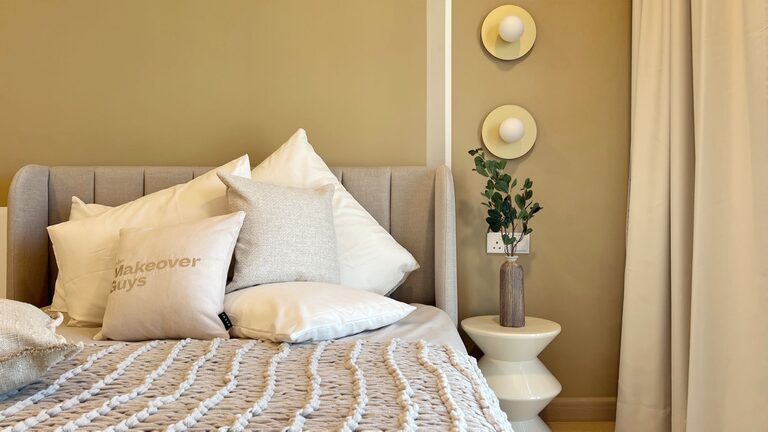
For a polished look, use a simple layering approach. Begin with neatly arranged sheets, add a blanket or quilt, and finish with two or three pillows in coordinating colors. Mixing one solid fabric with one subtle pattern can add interest while keeping the design balanced.
Rearrange the Furniture
Changing the layout costs nothing and can make the bedroom feel completely different. Try moving the bed to a different wall or repositioning a dresser to improve movement through the room.
Keep these practical points in mind:
– Leave a clear walking path around the bed.
– Place nightstands where they are easy to reach.
– Avoid blocking windows or heating vents.
– Keep storage furniture easy to open.
– Position the bed where it feels comfortable and balanced.
If the room feels crowded, remove one small piece of furniture or relocate it elsewhere. Sometimes creating more open space has a greater effect than adding another decorative item.
Improve the Lighting
Lighting strongly affects how a bedroom feels. Bright overhead lighting can be useful for cleaning, but softer layers are usually more comfortable for relaxing.
You can improve the lighting without replacing the entire electrical setup:
– Add a table lamp to a nightstand.
– Use a warm-toned light bulb.
– Install a simple plug-in wall light.
– Add string lights around a headboard or shelf.
– Open curtains during the day to use natural light.
Lamp shades can also change the look of an existing lamp. Look for affordable shades in a color or texture that complements your bedding. Always check that the shade is suitable for the bulb and fixture.
Add Affordable Wall Decor
Bare walls can make a bedroom feel unfinished, but artwork does not need to be expensive. Create a simple gallery wall with postcards, calendars, printed photographs, or downloadable artwork placed in inexpensive frames.
Other low-cost wall ideas include:
– A large fabric panel
– A woven basket
– A framed scarf
– A small collection of mirrors
– A painted geometric design
– A shelf displaying a few favorite objects
When hanging several pieces, arrange them on the floor first. Try different layouts until the spacing feels balanced. Taking a quick photo can help you compare options before making holes in the wall.
If you rent your home, consider removable hooks or adhesive strips designed for lightweight items. Follow the product instructions and check the weight limit before hanging anything.
Give Old Furniture a New Look
Existing furniture may only need a small update. Clean wooden pieces with an appropriate furniture cleaner, replace outdated drawer pulls, or add stick-on furniture feet for a subtle change.
For a larger transformation, consider painting a small piece such as a nightstand or stool. Prepare the surface carefully by cleaning it, lightly sanding it when needed, and using a suitable primer and paint. Work in a well-ventilated area and allow each coat to dry fully.
You can also update furniture without paint by:
– Covering a tabletop with removable adhesive film
– Adding baskets to open shelving
– Replacing cabinet handles
– Draping fabric over a bench
– Using a tray to organize dresser items
Choose one small project at a time so the room stays manageable and your budget remains predictable.
Bring in Texture and Nature
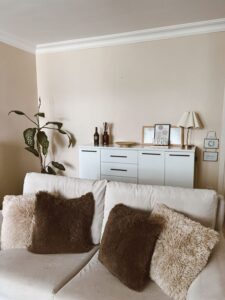
Texture makes a bedroom feel more comfortable and finished. You can add it through blankets, rugs, curtains, baskets, and cushions. Look around your home before purchasing new items; a throw from the living room or a basket from another space may work well in the bedroom.
Plants can also add color and energy. If your room receives enough light, choose a low-maintenance plant in a simple pot. For darker rooms, consider a quality artificial plant or a small arrangement of dried stems.
Avoid filling every surface. A few well-placed textures usually create more impact than a large collection of accessories.
Create Better Storage
Organized storage helps the bedroom stay fresh after your decorating work is finished. Use containers that match the room’s style so practical items also look intentional.
Budget-friendly storage solutions include:
– Fabric bins for shelves
– Boxes for seasonal items
– Under-bed containers
– Hooks behind the door
– A small basket for blankets
– Drawer dividers for accessories
Use vertical space when possible. Wall hooks, narrow shelves, and over-the-door organizers can add storage without taking up much floor space. Labeling boxes can also make it easier to find items and maintain the organization.
Set a Spending Limit
A budget is easier to follow when you divide it into categories. For example, you might set aside money for bedding, lighting, storage, and one decorative feature. Compare prices, check local resale listings, and look for seasonal sales before making purchases.
Try using the “replace, not add” rule. When you bring in a new item, remove or repurpose something else. This keeps the room from becoming crowded and encourages more thoughtful choices.
Most importantly, focus on comfort and function. A refreshed bedroom should support rest, organization, and your personal style. With a little cleaning, rearranging, and creativity, even small changes can make the room feel new again.